
A successful scan answers whether one reader decoded one symbol under those conditions. Packaging barcode verification measures symbol quality, while the line still needs separate checks for correct data and the removal of failed packs.
GS1’s General Specifications, section 5.12.5.1, explains this distinction and the limits of verification, including sampling and later damage. Use the current GS1 source for the applicable symbol and scanning environment; this guide does not assign a universal pass grade.
Define the four jobs
| Job | Question it answers | Record to keep |
|---|---|---|
| Decoding | Can this reader recover the encoded data here? | Reader setup, decoded string and sample |
| Verification | What symbol quality was measured under stated conditions? | Full verifier report and sample identity |
| Content comparison | Is the decoded content the approved content for this job? | Expected data and comparison result |
| Reject confirmation | Did the identified failed pack leave the accepted flow? | Challenge sample and removal confirmation |

The barcode on the illustrative carton is a visual object, not a verified symbol or a certificate. Use the actual finished package when assessing the location, contrast and effects of its surrounding structure.
Identify the sample and measurement conditions
Link the report to the package revision, printing process, material lot and code-generation file. Include the verifier identity, calibration status and the settings used for the measurement. Aperture and illumination are part of how a result is expressed; a grade without its conditions is incomplete evidence for a comparison.
GS1 Singapore’s service description groups its report into symbol specification, print quality and location. It also asks for complete filled retail packs when assessing their physical attributes. Those details explain why a loose image file cannot settle the effect of a curve, fold or filled-pack shape.
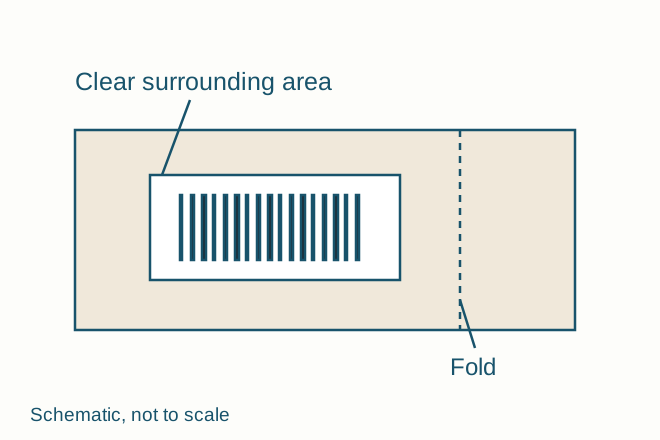
The drawing isolates the symbol from nearby folds and artwork. It shows the relationship to examine, not the required quiet-zone dimension. Take the actual dimensions and placement requirements from the applicable current GS1 specification for the symbol and application.
Check content outside the quality grade
Compare the decoded string against the approved product and batch record. Check the human-readable text too. GS1 notes that a verifier alone does not establish the accuracy of the data content without the relevant external comparison, and that human-readable interpretation needs attention.
Give the line a known wrong-content sample as well as an unreadable sample in a controlled challenge. These should produce distinguishable records where the system supports that distinction. A camera that reports a symbol’s presence can miss a correct-looking code from the wrong job.
Connect the report to the station
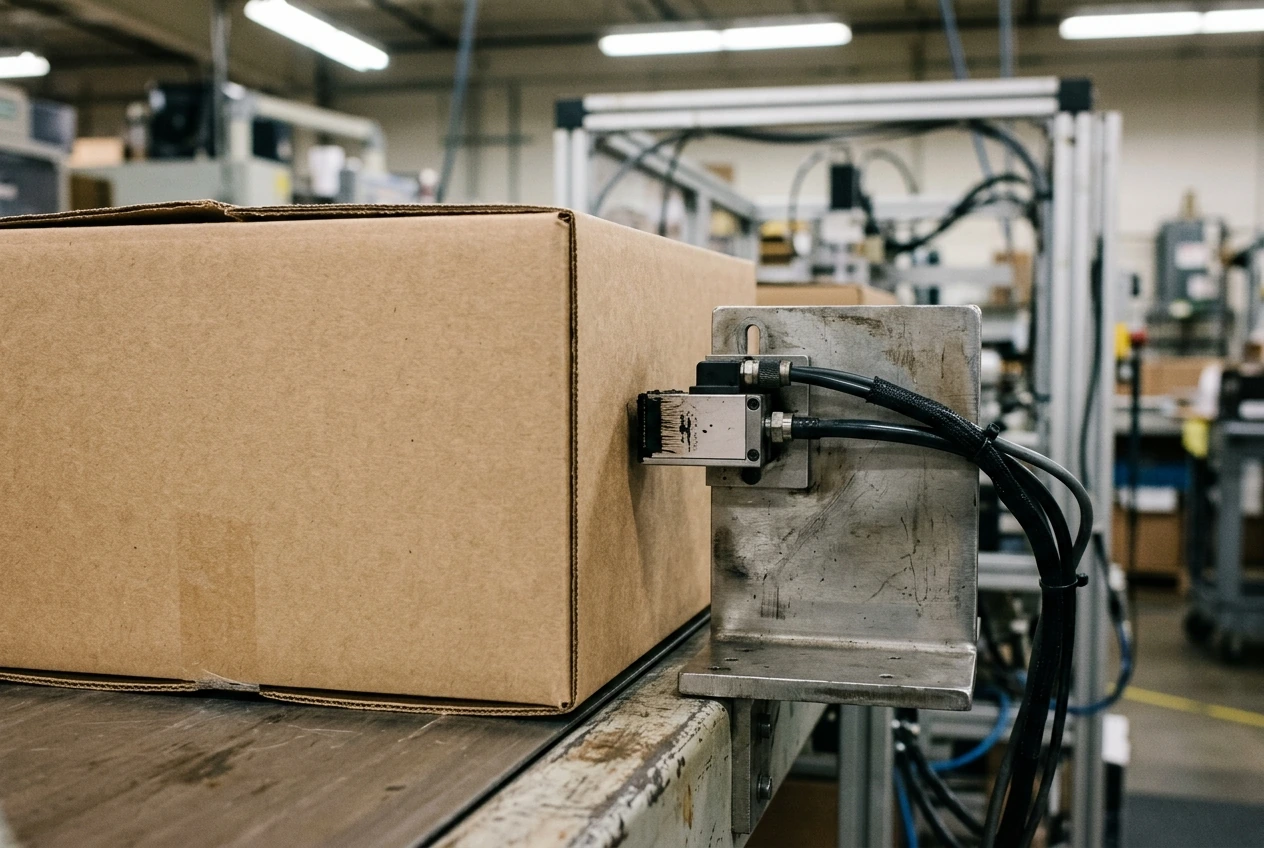
A stable carton face and a suitable station help make the printed sample reproducible, but the verification report is still about the samples measured. Record what happens after the coder: contact with rails, wrapping, stacking and any process likely to alter the code area.
For the reject challenge, identify the failed pack, its intended destination and the evidence that it was removed. Include loss of reject confirmation or a full reject container if those are relevant to the installed system. The integrator and responsible production team must define the safe challenge procedure and machine response.
File a decision someone can audit
Use a record containing the sample identifier, approved data, complete report, result of the content check and the line challenge outcome. Add the criterion source and the person authorised to make the release decision. Keep “not tested” visible when a step was omitted; do not turn it into a pass.
Sampled verification cannot guarantee every pack in a batch or prevent later damage. Agree a sampling and monitoring arrangement suited to the actual risk and process. After an ink, film, artwork or station change, determine which evidence needs renewal.
See the code inspection field guide for this decision sequence, and the substrate guide if the failure follows the printed surface rather than the encoded data.